trusted home buying and selling services
Creating Your Dream: Why Custom Homes Are the Best Decision for Your Family
Creating a custom home delivers exceptional qualities that standard options cannot replicate. Homeowners can tailor every aspect to suit their habits and tastes. This customization reaches past aesthetics to include performance and resource savings. As families consider their priorities, they must also navigate decisions that affect both satisfaction and finances. The process of creating a dream home raises critical questions about style, setting, and value that deserve further consideration.
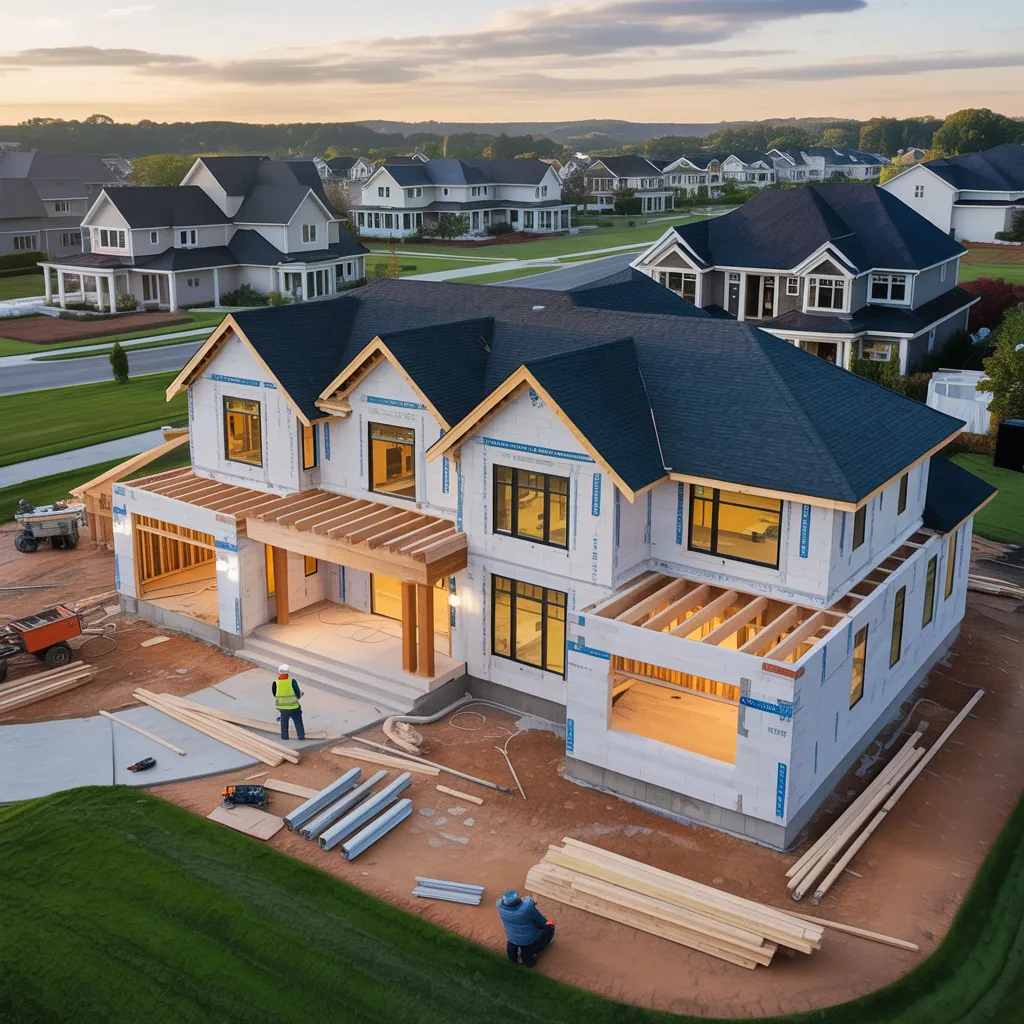
What Are the Advantages of Selecting a Custom Home?
Choosing a custom home presents several benefits that can significantly enhance a household's living lifestyle. One significant benefit is the ability to design spaces that embody personal tastes and ways of living. Households can choose finishes, materials, and layouts that align with their needs, guaranteeing maximum practicality. Furthermore, custom homes often incorporate eco-friendly solutions, contributing to sustained savings on utility bills.
An additional benefit is the possibility of future expansion. Households can prepare for expansion by including additional rooms or flexible spaces that can develop with the family's needs. Custom homes also allow for unique site selections, allowing families to pick neighborhoods that match their priorities and principles.
Ultimately, the process of building a custom home cultivates a profound feeling of pride and ownership. This dedication to customization not only elevates comfort but also establishes a meaningful emotional attachment to the space, genuinely making it a perfect embodiment of the household's identity.
How Custom Homes Address Your Family's Needs
Personalized homes perfectly address the varied needs of households, providing tailored solutions that enhance everyday living. Unlike traditional housing options, these personalized dwellings provide versatile design options, which can address unique household needs, such as extended family arrangements or dedicated areas for work and leisure. Homeowners can emphasize features that matter most to them, whether those are a generous kitchen space for bringing loved ones together, a dedicated playroom for children, or eco-friendly solutions to lower energy expenses.
Additionally, custom homes are able to be crafted with future growth as a consideration, guaranteeing that they develop alongside the family's changing demands. This adaptability not only encourages a sense of well-being but also creates an environment where families can succeed. By investing in a custom home, families can create a space that showcases their values and lifestyle, ultimately improving their quality of life in a way that standard homes fail to deliver.
Essential Design Features for Your Custom Home
When designing a custom home, families often prioritize key features that improve livability and convenience. Open floor plans are frequently favored, as they promote a sense of spaciousness and facilitate family interactions. Furthermore, ample storage solutions, such as integrated cabinetry and spacious closets, assist in keeping order in active family homes.
Energy efficiency also plays an important role; families frequently choose high-quality insulation, energy-efficient windows, and sustainable materials to lower ongoing expenses and minimize environmental impact.
Flexible spaces, such as adaptable living areas that can serve as play areas or home offices, support the changing family needs. Outdoor living areas, including patios or decks, extend living spaces and create possibilities for leisure and social gatherings.
In addition, deliberate lighting design, incorporating natural light and layered fixtures, can greatly enhance atmosphere and practicality, making such elements indispensable elements in a tailored home design.
Why Location Matters When Building Your Custom Home
Location plays a vital part in the success of a custom-built home, affecting everyday life for homeowners. Being close to schools, availability of key amenities, and neighborhood safety are critical elements that can improve convenience and overall well-being. Recognizing these factors is significant for reaching well-informed decisions when choosing the perfect location for a custom-built residence.
Closeness to Schools
Picking a home close to quality schools can significantly influence a household's overall daily living and long-term satisfaction. Living near educational institutions often leads to better academic opportunities for children, cultivating a supportive environment for education. Families take advantage of shorter commutes, allowing for more time enjoyed collectively and minimizing daily stress. Furthermore, homes positioned near reputable schools often have higher property market prices, making them a wise investment. Neighborhoods around these schools typically feature a range of family-friendly resources and resources, improving the overall living quality. Parents also recognize the peace of mind that their children are getting a quality education, which can contribute to better opportunities. Ultimately, identifying a location near schools is a strategic choice that promotes family advancement and success.
Availability of Amenities
Access to essential amenities is crucial for families building their custom homes. Being close to grocery stores, medical facilities, parks, and recreational centers can significantly improve everyday living. Families benefit from having these resources within a short distance, as it promotes convenience and reduces travel time. The availability of public transit also serves a critical function, enabling smooth commutes for employment or education. Additionally, nearby shopping and dining options provide opportunities for social interaction and leisure activities, contributing to a well-rounded lifestyle. When determining a setting for a personalized home, families ought to emphasize neighborhoods that deliver a comprehensive selection of amenities, making certain that their new dwelling fulfills their routine needs and elevates their standard of living.
Community Safety Factors
How can families make certain their new custom home is situated in a safe environment? When choosing a location for a custom home, families should focus on neighborhood safety. They can begin by researching crime rates through local law enforcement websites or community discussion boards. Speaking with neighbors also gives valuable insights into the area's safety and community atmosphere. Being close to emergency services, such as police and fire stations, enhances security. Additionally, families should consider the presence of properly lit streets, parks, and community safety programs, which promote a safer atmosphere. Schools and recreational facilities can further indicate a family-friendly environment. Ultimately, investing time in evaluating these factors ensures a secure and nurturing setting for the next generation.
Budgeting Strategies for Your Custom Home
While commencing on the journey of constructing a custom home, couples often find that effective budgeting is crucial to realizing their dream without financial stress. To begin, they should develop a realistic budget that includes all costs, such as land, permits, materials, and labor. Researching local market prices can provide valuable insights into expected expenses.
In addition, prospective buyers ought to rank their requirements and wishes, differentiating between "'must-haves' and '"nice-to-haves". This will help avoid overspending on non-essential features.
Setting aside a contingency fund is highly advisable, as unforeseen expenses tend to emerge during the construction process.
Finally, it is recommended that families keep a close eye on their spending throughout the process, making necessary budget adjustments. By adopting this approach, they can successfully manage the intricacies of custom home budgeting, making the road to their dream home less complicated while sustaining a solid financial foundation.
Choosing the Right Builder for Your Custom Home Vision
Picking the ideal builder is a crucial step in bringing a custom home dream to life. A builder's knowledge can considerably influence the result of a project, ensuring that it meets the family's desires and needs. Those seeking to build should commence by exploring local construction professionals, focusing on their completed projects, customer reviews, and overall track record. It is critical to schedule consultations, discussing particular goals and timeframes to assess the right fit.
Homeowners should inquire about the builder's expertise in custom projects, ensuring they have a strong understanding of construction and design procedures. Openness about pricing, contracts, and potential challenges is equally essential. In addition, observing current projects can give valuable perspective on the builder's quality of work and professional standards. Ultimately, the right builder will not only bring technical skills but will also communicate effectively, building a productive working relationship that converts a dream home into reality.
Questions We Get Asked Often
How Long Does Building a Custom Home Generally Take?
Typically, completing a custom-built home spans six to twelve months, based on factors like the complexity of the design, permitting requirements, and weather conditions. Each home is one of a kind, shaping the timeframe considerably from one project to the next.
What Types of Warranties Come With a Custom Home?
New custom-built homes typically come with warranties covering structural integrity, plumbing, electrical systems, and appliances. Builders often provide a twelve-month warranty covering workmanship and materials, as well as tailored protection periods for various home systems, guaranteeing protection for homeowners.
Can Changes Be Made During the Construction Process?
Absolutely, changes can often be made during the construction process, although they may depend on the construction phase and the policies set by the builder. It is essential to communicate any desired modifications promptly to avoid delays.
What Is the Best Way to Choose a Floor Plan?
To select the most suitable floor design, it is important to consider individual living preferences, account for future family expansion, evaluate lot dimensions, and emphasize essential functional zones. Seeking guidance from specialists can offer important perspectives and assist in narrowing down options efficiently.
What Are the Most Common Mistakes to Avoid When Building a Custom Home?
Common pitfalls when constructing a custom home include insufficient financial planning, neglecting future needs, ignoring property conditions, rushing decisions, and not maintaining clear communication with contractors. study All of these issues can result in major setbacks and unforeseen expenses.